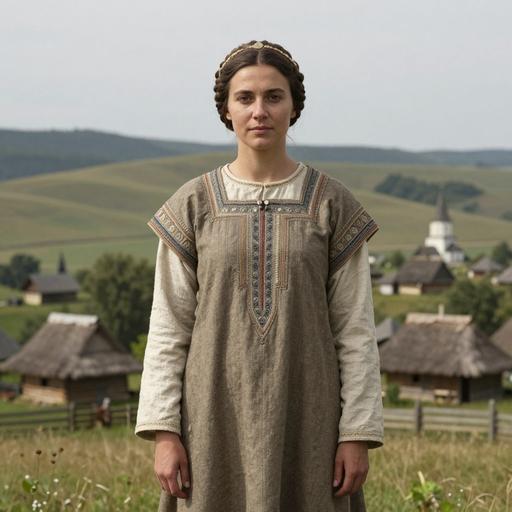
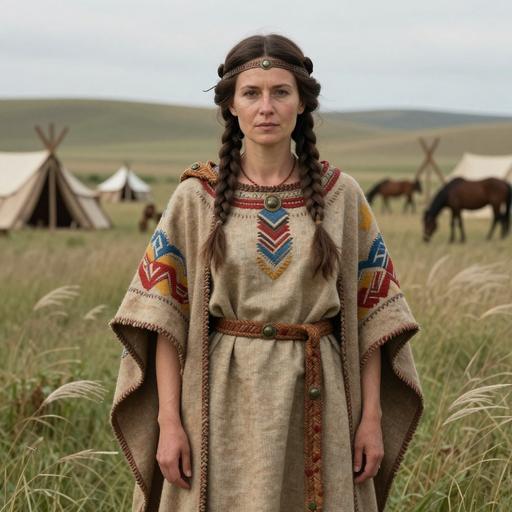
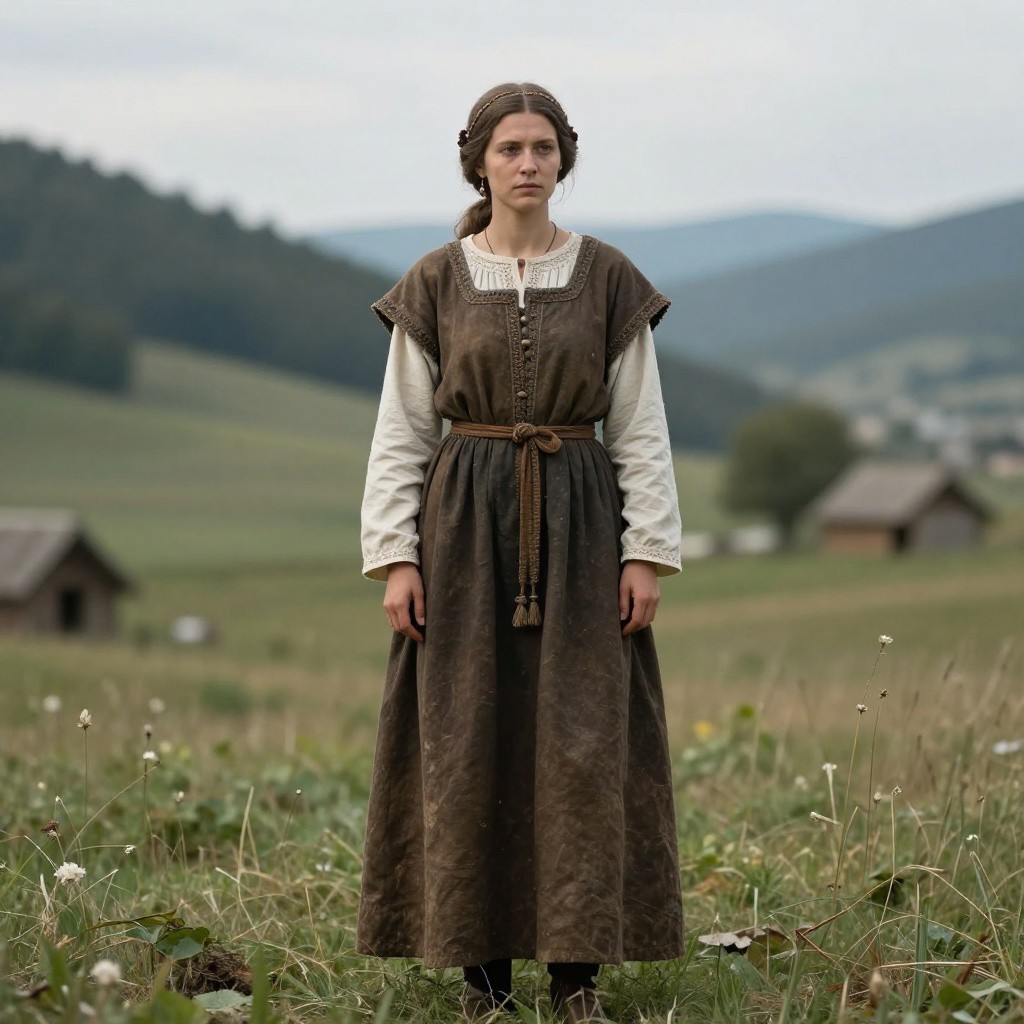
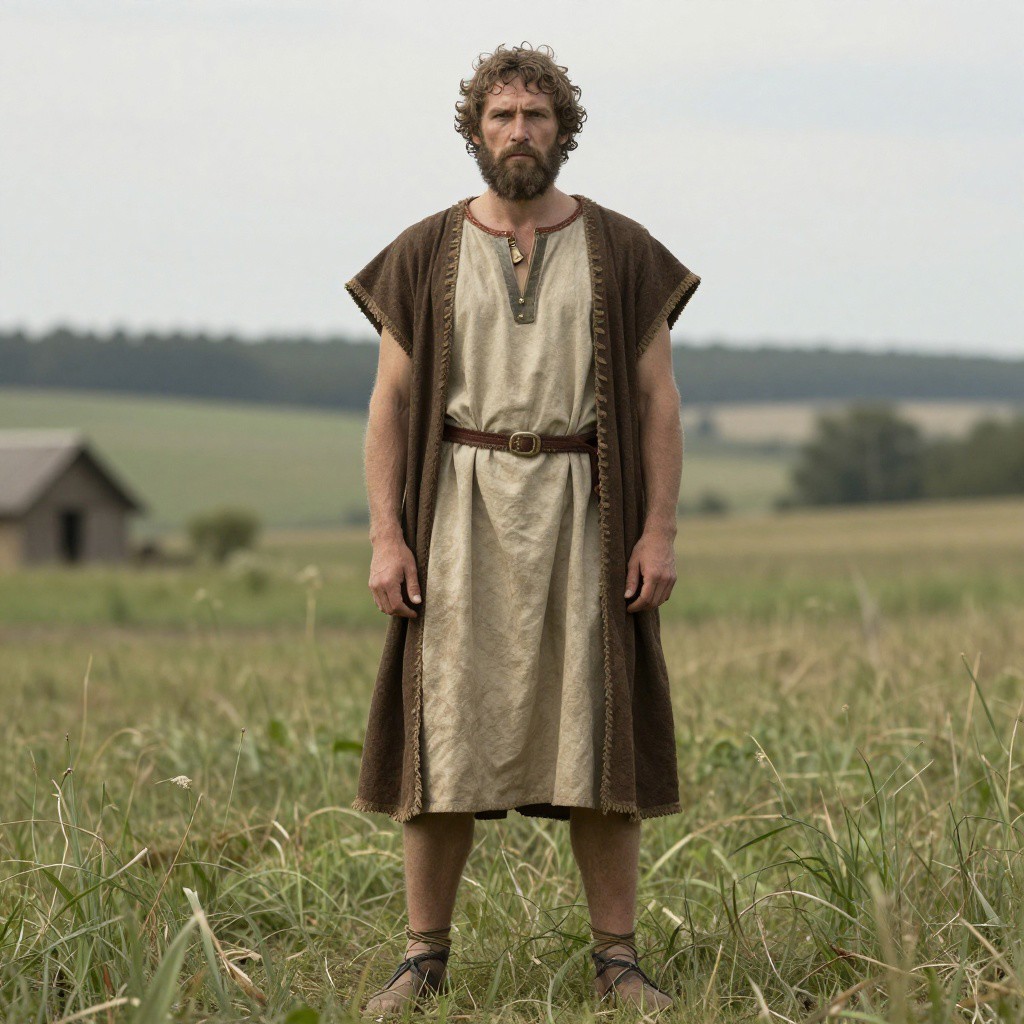
Menu
mtDNA Haplogroup • Maternal Lineage

U5A1A2

mtDNA Haplogroup U5A1A2

~11,000 years ago
Northern / Eastern Europe
2 subclades
Scroll to explore
Chapter I

The Story

The journey of mtDNA haplogroup U5A1A2

Origins and Evolution

mtDNA haplogroup U5A1A2 is a downstream subclade of U5a1a (itself nested within U5a and the broader U5 clade). U5 lineages are among the oldest and most characteristic maternal lineages of post‑glacial Europe. Based on the parentage (U5a1a estimated ~12 kya) and its phylogenetic position, U5A1A2 most likely coalesced in the early Holocene (approximately ~11 kya), during or shortly after the Late Glacial to early Mesolithic recolonization of northern and northeastern Europe.

This lineage reflects the diversification of maternal lineages that accompanied the expansion and local continuity of Mesolithic hunter‑gatherer groups. The limited number of downstream branches and low to moderate modern frequencies suggest a pattern of regional persistence with occasional local founder effects rather than a wide, high‑frequency demographic expansion.

Subclades (if applicable)

As a specific subclade (U5A1A2), it is one of several fine‑scale branches derived from U5a1a. Where sampled, U5A1A2 shows limited further subdivision in published datasets, indicating either a relatively recent origin compared with deeper U5 branches or that downstream diversity remains undersampled. Its immediate parent, U5a1a, and sister lineages within U5a1 provide the broader context of post‑glacial northern European maternal diversity.

Geographical Distribution

U5A1A2 is primarily concentrated in Northern and Northeastern Europe, with highest representation among Scandinavian populations and some indigenous northern groups (notably the Saami) and Baltic groups. It also appears at lower frequencies across Central and Western Europe and has sporadic occurrences reported from the Caucasus and North Africa in modern databases—these peripheral occurrences likely reflect later movements, admixture, or low‑frequency drift rather than primary centers of origin.

Ancient DNA evidence for U5a lineages in Mesolithic and early Holocene Europe is well established; for U5A1A2 specifically, archaeological hits are rarer in public datasets (the dataset referenced includes one identified ancient sample), consistent with a pattern where some fine subclades are detectable only infrequently in ancient remains due to sampling density and preservation.

Historical and Cultural Significance

U5A1A2 should be interpreted in the context of post‑glacial Mesolithic continuity across northern Europe. Maternal lineages of the U5a branch are repeatedly observed in Mesolithic hunter‑gatherer contexts and in early Holocene coastal and forest hunter‑gatherer assemblages. Over time, these maternal lineages were incorporated into expanding Neolithic farmer and later Bronze Age societies, producing the patchy modern distribution of U5A1A2.

Culturally, U5a sublineages are tied to populations that practiced hunting, fishing, and foraging in post‑glacial northern environments and later became part of the genetic substrate of Baltic, Scandinavian, and some northwestern Russian groups. Elevated frequencies of related U5a lineages among the Saami and some northern Scandinavian communities reflect both deep continuity and later genetic drift/founder effects.

Conclusion

U5A1A2 is a regional, post‑glacial maternal lineage of Northern–Eastern Europe that typifies the long‑term presence of U5a‑derived maternal ancestry in northern Europe. It highlights the mosaic of maternal lineages formed during the Mesolithic and persisting into modern northern European populations; its relatively low observed ancient frequency emphasizes the need for further ancient sampling to fully resolve its antiquity and microevolutionary history.

Key Points

  • Origins and Evolution
  • Subclades (if applicable)
  • Geographical Distribution
  • Historical and Cultural Significance
  • Conclusion

Chapter II

Tree & Relationships

Phylogenetic context and subclades

Evolution Path

This haplogroup's evolutionary journey from its earliest ancestor to the present.

Steps Haplogroup Age Estimate Archaeology Era Time Passed Immediate Descendants Tested Modern Descendants Ancient Connections
1 U5A1A2 Current ~11,000 years ago 🌾 Neolithic 11,000 years 2 38 0
2 U5A1A ~12,000 years ago 🌾 Neolithic 12,000 years 2 194 78
3 U5a1 ~18,000 years ago 🏹 Mesolithic 18,000 years 10 414 0
4 U ~46,000 years ago 🦴 Paleolithic 46,000 years 12 2,835 110
5 R ~60,000 years ago 🦴 Paleolithic 60,000 years 12 10,987 57
6 N ~60,000 years ago 🦴 Paleolithic 60,000 years 15 15,452 13
7 L3 ~70,000 years ago 🦴 Paleolithic 70,000 years 11 17,621 6
8 L ~160,000 years ago 🦴 Paleolithic 160,000 years 7 18,987 5

Siblings (1)

Other branches from the same parent haplogroup

Chapter III

Where in the World

Geographic distribution and modern presence

Place of Origin

Northern / Eastern Europe

Modern Distribution

The populations where mtDNA haplogroup U5A1A2 is found include:

  1. Northern European populations (Scandinavia, Saami)
  2. Eastern European populations (Baltic peoples, northwestern Russia)
  3. Central and Western European populations (at low to moderate frequencies)
  4. Caucasus populations (sporadic, low frequency)
  5. North African populations (sporadic, very low frequency)
CHAPTER IV

When in Time

Your haplogroup in the context of human history

~11k years ago

Haplogroup U5A1A2

Your mtDNA haplogroup emerged in Northern / Eastern Europe

Northern / Eastern Europe
~10k years ago

Neolithic Revolution

Agriculture begins, settled communities form

~5k years ago

Bronze Age

Metalworking, writing, and early civilizations

~3k years ago

Iron Age

Iron tools, expanded trade networks

~2k years ago

Classical Antiquity

Greek and Roman civilizations flourish

Present

Present Day

Modern era

Your Haplogroup
Historical Era
Chapter IV-B

Linked Cultures

Ancient cultures associated with mtDNA haplogroup U5A1A2

Cultural Heritage

These ancient cultures have been linked to haplogroup U5A1A2 based on matching ancient DNA samples from archaeological excavations. The presence of this haplogroup in these cultures provides insights into the migrations and population movements of populations carrying this haplogroup.

Bell Beaker Benzigerode-Heimburg British Chalcolithic Cernavoda Culture Corded Ware Croatian Middle Bronze Age Dali Culture Early Árpád Los Millares Sintashta Culture Unetice Culture Únětice Culture
Culture assignments are based on archaeological context of ancient DNA samples and may represent regional associations during specific time periods.
Chapter V

Sample Catalog

1 direct carrier and 36 subclade carriers of haplogroup U5A1A2

37 / 37 samples
Portrait Sample Country Era Date Culture mtDNA Match
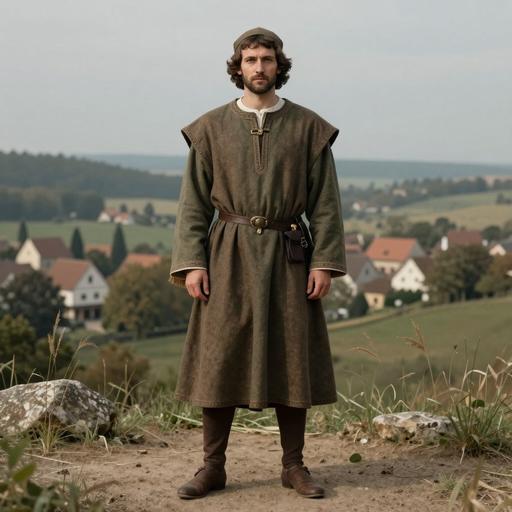
Portrait of ancient individual MH-153 from Hungary, dated 1000 CE - 1100 CE
MH-153
Hungary Early Árpád Dynasty Period Hungary 1000 CE - 1100 CE Early Árpád U5a1a2 Direct
Portrait of ancient individual I8474 from Spain, dated 100 CE - 200 CE
I8474
Spain Roman Period Spain 100 CE - 200 CE Roman Hispania U5a1a2b Downstream
Portrait of ancient individual scy303 from Moldova, dated 386 BCE - 198 BCE
scy303
Moldova Scythian Period Glinoe, Moldova 386 BCE - 198 BCE Scythian U5a1a2b* Downstream
Portrait of ancient individual scy303 from Moldova, dated 386 BCE - 198 BCE
scy303
Moldova The Scythian Culture 386 BCE - 198 BCE U5a1a2b* Downstream
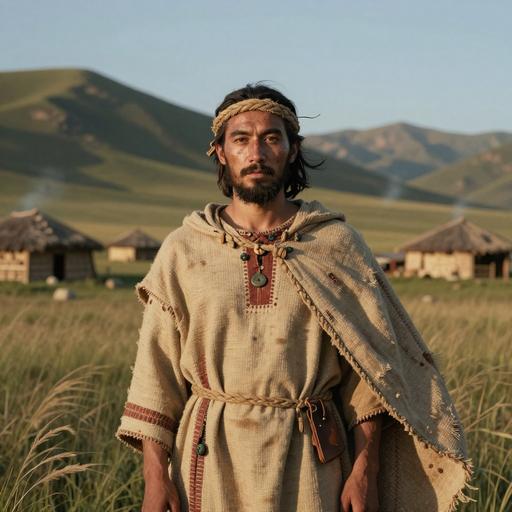
Portrait of ancient individual BIY012 from Russia, dated 396 BCE - 208 BCE
BIY012
Russia Iron Age Sargat Culture, Russia 396 BCE - 208 BCE Sargat Culture U5a1a2a Downstream
Portrait of ancient individual TAQ013 from Italy, dated 400 BCE - 1 BCE
TAQ013
Italy Etruscan Italy 400 BCE - 1 BCE Etruscan U5a1a2a Downstream
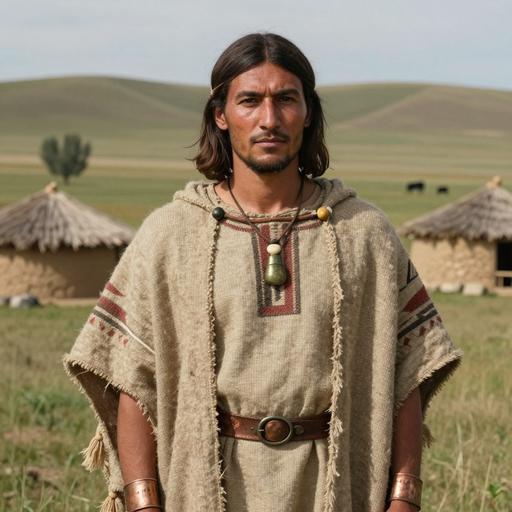
Portrait of ancient individual RKF276 from Hungary, dated 580 CE - 804 CE
RKF276
Hungary Avar Khaganate 580 CE - 804 CE Avar U5a1a2a1a Downstream
Portrait of ancient individual MBG016 from Germany, dated 616 BCE - 530 BCE
MBG016
Germany Hallstatt Culture 616 BCE - 530 BCE Hallstatt U5a1a2b Downstream
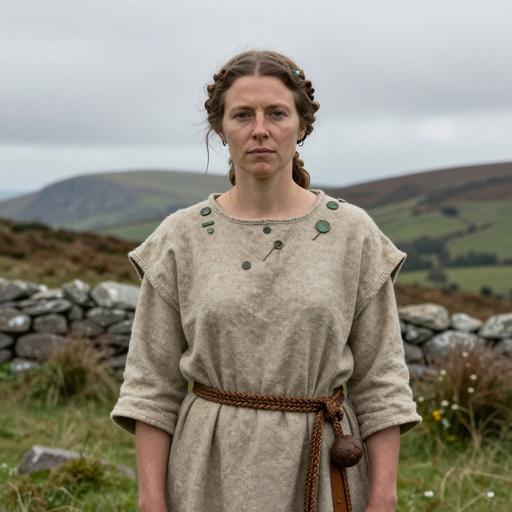
Portrait of ancient individual I17260 from United Kingdom, dated 800 BCE - 400 BCE
I17260
United Kingdom Early Iron Age England 800 BCE - 400 BCE Early British Iron Age U5a1a2a Downstream
Portrait of ancient individual VK525 from Norway, dated 800 CE - 900 CE
VK525
Norway Viking Age Norway 800 CE - 900 CE Viking Culture U5a1a2a Downstream
Chapter VI

Carrier Distribution Map

Geographic distribution of 37 ancient DNA samples (direct and subclade carriers of U5A1A2)

Direct carrier Subclade carrier
Time Period Filter
All Time Periods
Showing all samples
Chapter VII

Temporal Distribution

Distribution of carriers across archaeological periods

Chapter VIII

Geographic Distribution

Distribution by country of origin (direct and subclade carriers shown by default)

Chapter IX

Country × Era Distribution

Cross-tabulation of carrier countries and archaeological periods (direct and subclade carriers shown by default)

Data

Data & Provenance

Source information and data quality

Last Updated 2026-02-16
Confidence Score 50/100
Coverage Low
Data Source

We use the latest phylotree for MTDNA haplogroup classification and data.