Menu
Currency
mtDNA Haplogroup • Maternal Lineage

HV14

mtDNA Haplogroup HV14

~9,000 years ago
Near East / Caucasus
1 subclades
Scroll to explore
Chapter I

The Story

The journey of mtDNA haplogroup HV14

Origins and Evolution

Haplogroup HV14 is a downstream branch of the HV lineage (with parent clade HVB) and therefore sits within the larger R0/HV phylogeny that is characteristic of West Eurasian maternal diversity. Because HV as a whole likely formed in the Near East or adjacent regions during the Late Pleistocene to early Holocene, HV14 is most plausibly an early Holocene (post‑Last Glacial Maximum) derivative that emerged as regional populations differentiated during the Neolithic transition and subsequent regional demographic events. Direct age estimates for HV14 are limited by sparse sequencing of this specific subclade; the estimate here (≈9 kya) is a conservative inference based on the diversity and time depth of neighbouring HV subclades.

Subclades (if applicable)

At present HV14 is considered a relatively rare and understudied intermediate clade. Public phylogenies and population surveys have not consistently reported well‑characterized downstream subclades with broad sample support. That said, high-resolution mitogenome sampling in the Near East and Caucasus could reveal additional internal structure (HV14a, HV14b, etc.) as has occurred for other HV branches. Researchers should treat HV14 as an intermediate lineage where further sequencing may reveal regional sublineages.

Geographical Distribution

HV14 appears to be most concentrated in the Near East and the Caucasus, with sporadic occurrences reported (or plausible based on related HV subclades) in Anatolia, parts of Southern Europe, and the Iranian plateau. Frequency is generally low and patchy: HV14 is not a dominant maternal lineage in any large modern population but can be informative for local maternal ancestry where it occurs. The pattern is consistent with a Near Eastern origin followed by limited dispersal through Neolithic farmer expansions and later historic movements across West Eurasia.

Historical and Cultural Significance

Because of its inferred Near Eastern/Caucasus origin and Holocene age, HV14 may be associated with the demographic processes tied to the Neolithic agricultural expansion that spread farmer ancestry into Anatolia, the Aegean, and ultimately parts of Europe. It may also reflect continuity in highland and coastal West Asian populations through the Chalcolithic and Bronze Age periods. However, HV14 has not been strongly linked to any single archaeological culture in the way some other haplogroups have (for example, haplogroups more clearly tied to Steppe or Atlantic expansions), primarily because HV14 is rare and underrepresented in ancient DNA datasets to date.

Conclusion

HV14 is best interpreted as a low‑frequency, regionally informative maternal lineage within the HV family, reflecting West Eurasian maternal diversity rooted in the Near East/Caucasus during the early Holocene. It is valuable for fine‑scale studies of population structure and maternal continuity in Anatolia, the Caucasus, and neighbouring regions, but conclusions about its specific prehistoric movements should remain cautious until more mitogenomes from ancient and modern individuals are available.

Key Points

  • Origins and Evolution
  • Subclades (if applicable)
  • Geographical Distribution
  • Historical and Cultural Significance
  • Conclusion
Chapter II

Tree & Relationships

Phylogenetic context and subclades

Evolution Path

This haplogroup's evolutionary journey from its earliest ancestor to the present.

Steps Haplogroup Age Estimate Archaeology Era Time Passed Immediate Descendants Tested Modern Descendants Ancient Connections
1 HV14 Current ~9,000 years ago 🌾 Neolithic 9,000 years 1 20 0
2 HVB 10 107 0
3 HV ~30,000 years ago 🦴 Paleolithic 30,000 years 14 8,468 228
4 R0 ~15,000 years ago 🏹 Mesolithic 15,000 years 2 8,603 4
5 R ~55,000 years ago 🦴 Paleolithic 55,000 years 17 17,854 57
6 NA 1 17,854 0
7 N ~60,000 years ago 🦴 Paleolithic 60,000 years 16 20,371 13
8 L3 ~70,000 years ago 🦴 Paleolithic 70,000 years 7 23,542 6
9 L3'4 2 23,581 0
10 L3'4'6 2 23,584 0
11 L2'3'4'6 2 24,475 0
12 L2'3'4'5'6'7 2 24,488 0
13 L1'2'3'4'5'6'7 2 24,903 0
14 L ~160,000 years ago 🦴 Paleolithic 160,000 years 2 25,205 5

Siblings (9)

Other branches from the same parent haplogroup

Chapter III

Where in the World

Geographic distribution and modern presence

Place of Origin

Near East / Caucasus

Modern Distribution

The populations where mtDNA haplogroup HV14 is found include:

  1. Populations of the Caucasus (e.g., Armenians, Georgians and nearby highland groups)
  2. Anatolian/Turkish populations
  3. Levantine populations (e.g., Lebanese, Syrians) in low frequencies
  4. Iranian plateau populations and neighboring western Iran groups
  5. Southern European populations (Italy, Greece) — sporadic occurrences
  6. South Asian fringe populations (rare, likely via historic or ancient gene flow)
CHAPTER IV

When in Time

Your haplogroup in the context of human history

~10k years ago

Neolithic Revolution

Agriculture begins, settled communities form

~9k years ago

Haplogroup HV14

Your mtDNA haplogroup emerged in Near East / Caucasus

Near East / Caucasus
~5k years ago

Bronze Age

Metalworking, writing, and early civilizations

~3k years ago

Iron Age

Iron tools, expanded trade networks

~2k years ago

Classical Antiquity

Greek and Roman civilizations flourish

Present

Present Day

Modern era

Your Haplogroup
Historical Era
Chapter IV-B

Linked Cultures

Ancient cultures associated with mtDNA haplogroup HV14

Cultural Heritage

These ancient cultures have been linked to haplogroup HV14 based on matching ancient DNA samples from archaeological excavations. The presence of this haplogroup in these cultures provides insights into the migrations and population movements of populations carrying this haplogroup.

Aygirdjal Culture Ayousaigoukou Culture Çamlıbel Tarlası Ganj Dareh Culture Iron Age Armenian Iron Gates Culture Katelai Culture Ottoman Burial Culture Parkhai Culture PPNA Anatolia Roopkund Culture
Culture assignments are based on archaeological context of ancient DNA samples and may represent regional associations during specific time periods.
Chapter V

Sample Catalog

3 direct carriers and 5 subclade carriers of haplogroup HV14

8 / 8 samples
Portrait Sample Country Era Date Culture mtDNA Match
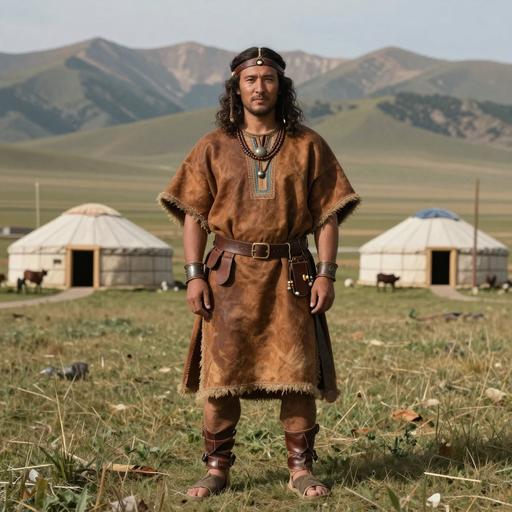
Portrait of ancient individual I3352 from India, dated 688 CE - 878 CE
I3352
India Roopkund Skeletons A 688 CE - 878 CE Roopkund Culture HV14 Direct
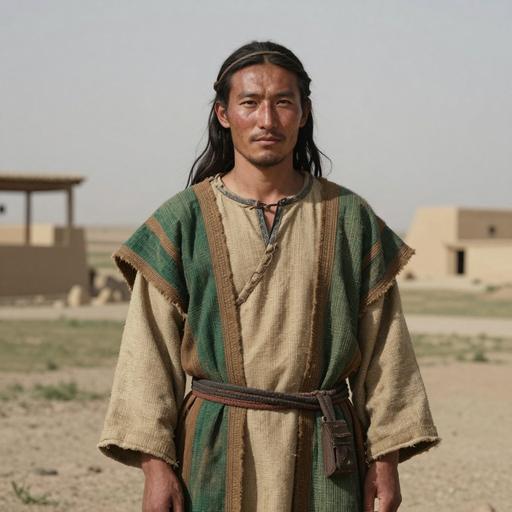
Portrait of ancient individual I11527 from Kyrgyzstan, dated 2122 BCE - 1926 BCE
I11527
Kyrgyzstan Bronze Age Aygirdjal 2122 BCE - 1926 BCE Aygirdjal Culture HV14 Direct
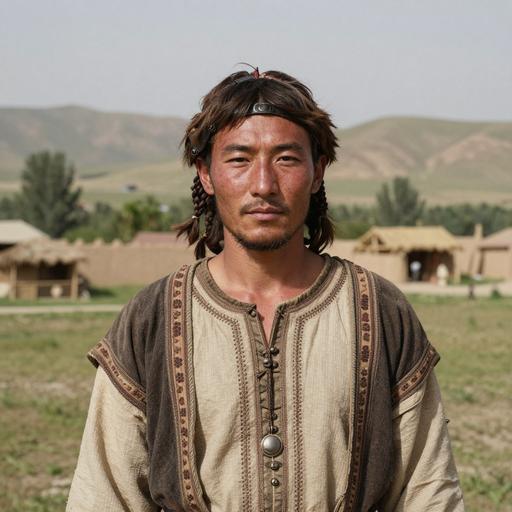
Portrait of ancient individual I6671 from Turkmenistan, dated 3000 BCE - 2200 BCE
I6671
Turkmenistan Early Bronze Parkhai 3000 BCE - 2200 BCE Parkhai Culture HV14 Direct
Portrait of ancient individual C1658 from China, dated 392 BCE - 204 BCE
C1658
China Iron Age Ayousaigoukou, Xinjiang, China 392 BCE - 204 BCE Ayousaigoukou Culture HV14a Downstream
Portrait of ancient individual C1659 from China, dated 392 BCE - 204 BCE
C1659
China Iron Age Ayousaigoukou, Xinjiang, China 392 BCE - 204 BCE Ayousaigoukou Culture HV14a Downstream
Portrait of ancient individual I12141 from Pakistan, dated 1000 BCE - 800 BCE
I12141
Pakistan The Pakistan Katelai Iron Age Culture 1000 BCE - 800 BCE Katelai Culture HV14a Downstream
Portrait of ancient individual I12141 from Pakistan, dated 1000 BCE - 800 BCE
I12141
Pakistan The SPGT Culture 1000 BCE - 800 BCE HV14a Downstream
Portrait of ancient individual I20325 from Turkey, dated 1300 CE - 1650 CE
I20325
Turkey Ottoman Period Arab Graves, Turkey 1300 CE - 1650 CE Ottoman Burial Culture HV14a Downstream
Chapter VI

Carrier Distribution Map

Geographic distribution of 8 ancient DNA samples (direct and subclade carriers of HV14)

Direct carrier Subclade carrier
Time Period Filter
All Time Periods
Showing all samples
Chapter VII

Temporal Distribution

Distribution of carriers across archaeological periods

Chapter VIII

Geographic Distribution

Distribution by country of origin (direct and subclade carriers shown by default)

Chapter IX

Country × Era Distribution

Cross-tabulation of carrier countries and archaeological periods (direct and subclade carriers shown by default)

Data

Data & Provenance

Source information and data quality

Last Updated 2026-06-14
Confidence Score 50/100
Coverage Low
Data Source

We use the latest phylotree for MTDNA haplogroup classification and data.