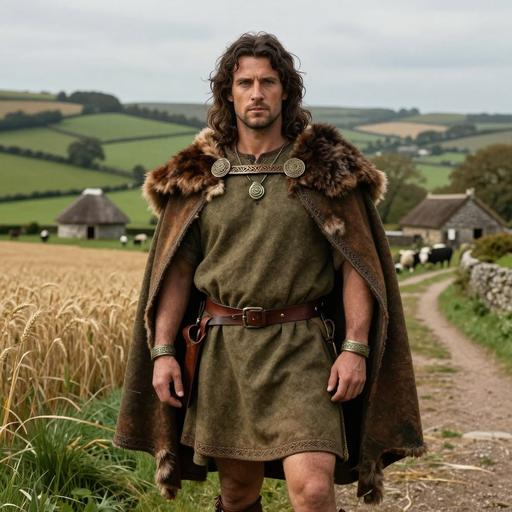
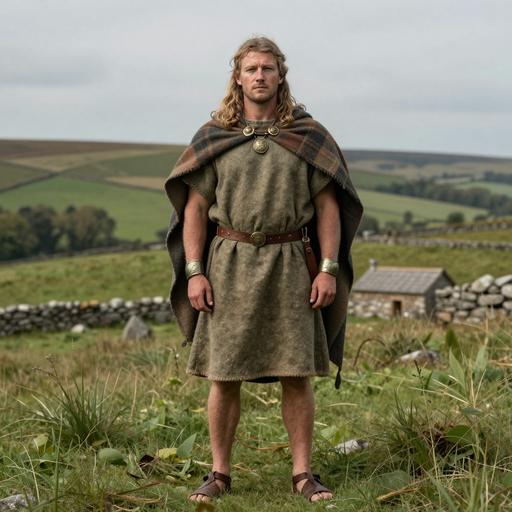
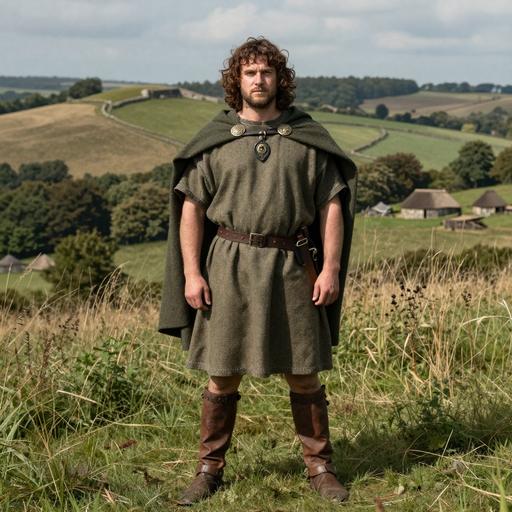
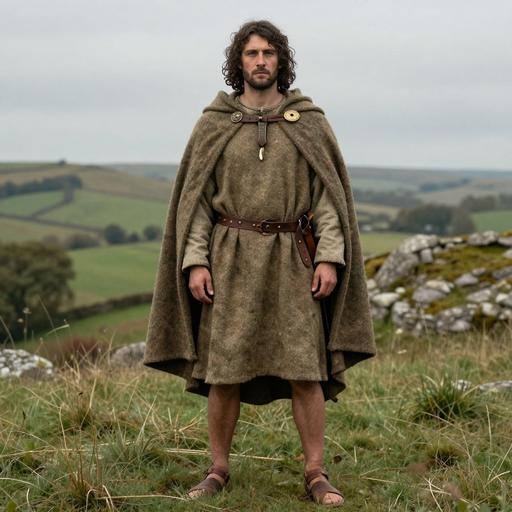
A reference profile for one lineage branch. Shared haplogroups do not establish a family relationship or cultural identity.
Reference profile
Branch background
Historical context for Y-DNA lineage branch R1B1A1B1A1A2
Origins and Evolution
Y-DNA haplogroup R1b1a1b1a1a2 is a downstream subclade of the broader R1b paternal lineage, which is one of the major branches of western Eurasian Y-chromosome diversity. Based on its phylogenetic position, this lineage likely formed before the major Bronze Age demographic expansions that carried many later R1b subclades across Europe, especially the very successful western European branches of R1b-M269.
Because it sits deep within the R1b tree, this haplogroup is best interpreted as a rare surviving lineage from an early phase of post-LGM or early Holocene West Eurasian paternal diversification. Its estimated age is consistent with an origin in West Eurasia around the late Upper Paleolithic to early Mesolithic, followed by long-term persistence in multiple regional populations.
Subclades
R1b1a1b1a1a2 is an intermediate phylogenetic branch, meaning it helps connect the broader parent lineage to more specific descendant lineages. In practical terms, such branches are often defined by a limited number of known samples and may be underrepresented in public datasets because of their rarity.
As with many deep R1b subclades, the exact internal branching structure may continue to be refined as additional whole-Y sequencing and targeted SNP discovery identify new downstream variants. This makes R1b1a1b1a1a2 important for reconstructing the fine-scale early history of western Eurasian paternal ancestry.
Geographical Distribution
The distribution of R1b1a1b1a1a2 is expected to be patchy and low-frequency, with occurrences in populations across western, southern, and parts of central Eurasia. Its presence in geographically separated regions likely reflects a mixture of ancient retention, local founder effects, and later population movements.
This lineage may be encountered in:
Western Europe, including the British Isles, France, Iberia, and the Low Countries
Southern Europe, including Italy and the Balkans
The Caucasus and Anatolia, where deep West Eurasian lineages often persisted in refuge-like or regionally structured populations
The Levant and North Africa, likely through long-term Near Eastern connections and later historical gene flow
Steppe-adjacent and parts of Central Asia, where diverse R1b lineages can appear at low frequency
Historical and Cultural Significance
Unlike the better-known Bronze Age expansions of some R1b subclades, R1b1a1b1a1a2 is more likely to represent continuity from older West Eurasian male lineages rather than a single dominant migratory horizon. That said, rare lineages like this can still be informative for understanding the paternal genetic landscape of the Mesolithic, Neolithic, and Bronze Age transitions.
Its presence in multiple regions suggests that it may have survived in small populations that were later absorbed into expanding farmer, pastoralist, and post-Bronze Age societies. Such lineages are often valuable for tracing deep regional ancestry, especially where more recent demographic events have obscured older genetic structure.
Conclusion
R1b1a1b1a1a2 is a rare and ancient-looking subclade of R1b with a likely origin in West Eurasia around 14 kya. Its scientific importance lies in its ability to illuminate the deep prehistory of western Eurasian paternal lineages and to show how some early branches of R1b persisted alongside the much larger later expansions of its descendant clades.
Key Points
Origins and Evolution
Subclades
Geographical Distribution
Historical and Cultural Significance
Conclusion
Reference profile
Tree & Relationships
Phylogenetic context and subclades
Evolution Path
Follow the recorded parent branches toward R1B1A1B1A1A2. Dates are estimates and can change as reference data is revised.
The populations where Y-DNA haplogroup R1b1a1b1a1a2 is found include:
Irish and British populations
French, Iberian, and Low Countries populations
Italian and Balkan populations
Caucasus and Anatolian populations
Levantine and North African populations
Some Central Asian and steppe-related populations
Regional Presence
Western EuropeHigh
Northern EuropeModerate
Southwestern Europe (Iberia)Moderate
Central EuropeLow
North AfricaLow
Near East / CaucasusLow
North America (diaspora)Low
Southern EuropeLow
Western AsiaLow
North AfricaLow
Central AsiaLow
Historical context
A branch through time
Estimated formation in a broad historical timeline. Period markers provide context and do not imply a connection with particular cultures.
~20k years ago
Last Glacial Maximum
Peak of the last ice age, populations isolated
~14k years ago
Haplogroup R1B1A1B1A1A2
Estimated formation of this Y-DNA branch; dates and locations are reference estimates.
This branch
~10k years ago
Neolithic Revolution
Agriculture begins, settled communities form
~5k years ago
Bronze Age
Metalworking, writing, and early civilizations
~3k years ago
Iron Age
Iron tools, expanded trade networks
~2.5k years ago
Classical Antiquity
Greek and Roman civilizations flourish
Present
Present Day
Modern era
Reference profile
Archaeological context
Recorded archaeological associations for Y-DNA branch R1B1A1B1A1A2
Recorded associations
These labels describe archaeological contexts recorded for reference samples linked to R1B1A1B1A1A2. An association does not establish that all carriers belonged to a culture or followed a particular migration route.
Late Iron Age East Yorkshire, England - United Kingdom - England. East Riding of Yorkshire. Nunburnholme Wold
United Kingdom Late Iron Age East Yorkshire, England 196-4 calBCE (2090±30 BP, Beta-520210)
R1b1a1b1a1a2Direct
Sample ID: I16387
Middle to Late Iron Age England - United Kingdom - England. Cornwall. Newquay. Trethellan Farm
United Kingdom Middle to Late Iron Age England 300 BCE - 100 CE
R1b1a1b1a1a2Direct
Sample ID: I16416
Middle to Late Iron Age Scotland - United Kingdom - Scotland. East Lothian. Broxmouth
United Kingdom Middle to Late Iron Age Scotland 346-51 calBCE (2130±30 BP, SUERC-21991)
R1b1a1b1a1a2Direct
Sample ID: I16503
Middle to Late Iron Age Scotland - United Kingdom - Scotland. East Lothian. Broxmouth
United Kingdom Middle to Late Iron Age Scotland 349-51 calBCE (2135±30 BP, SUERC-24257)
R1b1a1b1a1a2Direct
Sample ID: I22065
East Yorkshire Iron Age - United Kingdom - England. East Riding of Yorkshire. Burstwick
United Kingdom East Yorkshire Iron Age 351-55 calBCE (2147±24 BP, SUERC-80670)
R1b1a1b1a1a2Direct
Sample ID: I20989
Middle to Late Iron Age England - United Kingdom - England. Hampshire. Nether Wallop. Danebury
United Kingdom Middle to Late Iron Age England 354-59 calBCE (2157±26 BP, OxA-25955)
R1b1a1b1a1a2Direct
Sample ID: I21313
Middle to Late Iron Age England - United Kingdom - England. Wiltshire. Casterley Camp
United Kingdom Middle to Late Iron Age England 354-57 calBCE (2154±27 BP, SUERC-97419)
R1b1a1b1a1a2Direct
Sample ID: I14809
Middle to Late Iron Age England - United Kingdom - England. Oxfordshire. Thame
United Kingdom Middle to Late Iron Age England 358-108 calBCE (2170±26 BP, SUERC-97423)
R1b1a1b1a1a2Direct
Sample ID: I14859
Middle Iron Age England - United Kingdom - England. Kent. Cliffs End Farm
United Kingdom England MIA 377-203 calBCE (2227±18 BP) [R_combine: (2220±20 BP, PSUAMS-8551), (2250±35 BP, GrA-35998)]
R1b1a1b1a1a2Direct
Sample ID: I13728
Middle Iron Age England - United Kingdom - England. Cambridgeshire. Trumpington Meadows
United Kingdom England MIA 381-179 calBCE (2214±30 BP, SUERC-49488)
R1b1a1b1a1a2Direct
Sample ID: I19046
Middle Iron Age England - United Kingdom - England. Cambridgeshire. Marshall's Jaguar Land Rover New Showroom (JLU15)
United Kingdom England MIA 383-197 calBCE (2218±28 BP, SUERC-97429)
R1b1a1b1a1a2Direct
Sample ID: I14105
East Yorkshire Iron Age - United Kingdom - England. East Riding of Yorkshire. Pocklington (Burnby Lane)
United Kingdom East Yorkshire Iron Age 400-50 BCE
R1b1a1b1a1a2Direct
Sample ID: I16504
Iron Age Scotland - United Kingdom - Scotland. East Lothian. Broxmouth
United Kingdom Scotland IA 42 calBCE - 116 calCE (1983±24 BP, SUERC-97411)
R1b1a1b1a1a2c1Subclade
Sample ID: I3568
Late Iron Age Scotland - United Kingdom - Scotland. Highland. Applecross
United Kingdom Scotland LIA 8-155 calCE (1946±22 BP) [R_combine: (1980±28 BP, SUERC-73992), (1901±32 BP, SUERC-67661)]
R1b1a1b1a1a2c1a4b2b1Subclade
Sample ID: I27385
Late Iron Age Scotland - United Kingdom - Scotland. West Lothian. House of Binns
United Kingdom Scotland LIA 43 calBCE - 117 calCE (1984±28 BP, SUERC-50519)
R1b1a1b1a1a2c1Subclade
Sample ID: I21302
Late Iron Age England - United Kingdom - England. South Somerset. South Cadbury
United Kingdom England LIA 46 calBCE - 117 calCE (1989±30 BP, SUERC-94994)
R1b1a1b1a1a2c1Subclade
Sample ID: I22062
Late Iron Age East Yorkshire, England - United Kingdom - England. East Riding of Yorkshire. Thornholme. Town Pasture
United Kingdom Late Iron Age East Yorkshire, England 50 calBCE - 116 calCE (1997±31 BP, SUERC-52038)
R1b1a1b1a1a2c1Subclade
Sample ID: I12927
Late Iron Age England - United Kingdom - England. Gloucestershire. Bishop's Cleeve. Cleevelands
United Kingdom England LIA 50-200 CE
R1b1a1b1a1a2c1a6a1Subclade
Sample ID: 6DT21
Iron Age to Roman England - United Kingdom - England. Yorkshire. Driffield Terrace
United Kingdom Iron Age to Roman England 50 CE - 350 CE
R1b1a1b1a1a2c1b1Subclade
Sample ID: 6DT22
Iron Age to Roman England - United Kingdom - England. Yorkshire. Driffield Terrace
United Kingdom Iron Age to Roman England 50 CE - 350 CE
R1b1a1b1a1a2b1Subclade
Sample ID: 6DT18
Iron Age to Roman England - United Kingdom - England. Yorkshire. Driffield Terrace
United Kingdom Iron Age to Roman England 50 CE - 350 CE
R1b1a1b1a1a2c1a1iSubclade
Sample ID: 6DT23
Iron Age to Roman England - United Kingdom - England. Yorkshire. Driffield Terrace
United Kingdom Iron Age to Roman England 50 CE - 350 CE
R1b1a1b1a1a2e1Subclade
Sample ID: VK203
The Viking Age in Scotland - United Kingdom - Scotland. Orkney. Brough Road Birsay
United Kingdom Scotland Viking 54 CE - 668 CE
R1b1a1b1a1a2c1Subclade
Sample ID: I27384
Late Iron Age Scotland - United Kingdom - Scotland. West Lothian. House of Binns
United Kingdom Scotland LIA 90 calBCE - 110 calCE (2010±30 BP, SUERC-50518)
R1b1a1b1a1a2c1Subclade
Sample ID: I14096
Late Iron Age England - United Kingdom - England. North Yorkshire. Scorton Quarry
United Kingdom England LIA 101 calBCE - 59 calCE (2035±22 BP) [R_combine: (2056±30 BP, SUERC-95019), (2013±31 BP, SUERC-52144)]
R1b1a1b1a1a2c1Subclade
Sample ID: I0156
Iron Age to Early Roman England - United Kingdom - England. South Cambridgeshire. East Anglia. Hinxton
United Kingdom Iron Age to Early Roman England 149 calBCE - 60 calCE (2039±27 BP, OxA-29573)
R1b1a1b1a1a2c1Subclade
Sample ID: I11144
Late Iron Age England - United Kingdom - England. Somerset. North Perrott. North Perrott Manor
United Kingdom England LIA 149 calBCE - 65 calCE (2035±30 BP, SUERC-94968)
R1b1a1b1a1a2c1a1i3Subclade
Sample ID: I2799
Late Iron Age Scotland - United Kingdom - Scotland. Orkney. Howe of Howe
United Kingdom Scotland LIA 152 calBCE - 22 calCE (2052±26 BP, SUERC-68732)
R1b1a1b1a1a2c1a1aSubclade
Sample ID: I14097
Late Iron Age England - United Kingdom - England. North Yorkshire. Scorton Quarry
United Kingdom England LIA 162 calBCE - 26 calCE (2051±32 BP, SUERC-56654)
R1b1a1b1a1a2b1Subclade
Sample ID: I0160
Iron Age England - United Kingdom - England. South Cambridgeshire. East Anglia. Hinxton
United Kingdom England IA 166 calBCE - 116 calCE (2029±49 BP, Wk- - 12599)
R1b1a1b1a1a2c1a5b1a1aSubclade
Sample ID: I11145
Late Iron Age England - United Kingdom - England. Somerset. North Perrott. North Perrott Manor
United Kingdom England LIA 166 calBCE - 14 calCE (2064±30 BP, SUERC-94969)
R1b1a1b1a1a2c1Subclade
Sample ID: I3566
Late Iron Age Scotland - United Kingdom - Scotland. Highland. Applecross
United Kingdom Scotland LIA 170 BCE - 10 BCE
R1b1a1b1a1a2c1Subclade
Sample ID: I3567
Late Iron Age Scotland - United Kingdom - Scotland. Highland. Applecross
United Kingdom Scotland LIA 173 BCE - 8 BCE
R1b1a1b1a1a2c1Subclade
Sample ID: I27379
Late Iron Age England - United Kingdom - England. Sussex. North Bersted
United Kingdom England LIA 174-51 calBCE (2109±17 BP, SUERC-80747)
R1b1a1b1a1a2c1Subclade
Sample ID: I11142
Late Iron Age England - United Kingdom - England. Somerset. Worlebury
United Kingdom England LIA 197-44 calBCE (2103±27 BP, SUERC-94960)
R1b1a1b1a1a2c1a6a1Subclade
Sample ID: I12785
Late Iron Age England - United Kingdom - England. Gloucestershire. Bourton-on-the-water. Greystones Farm
United Kingdom England LIA 200-1 BCE
R1b1a1b1a1a2c1a5Subclade
Sample ID: I16450
Middle to Late Iron Age England - United Kingdom - England. Cornwall. Newquay. Trethellan Farm
United Kingdom Middle to Late Iron Age England 300 BCE - 100 CE
R1b1a1b1a1a2aSubclade
Sample ID: I16455
Middle to Late Iron Age England - United Kingdom - England. Cornwall. Newquay. Trethellan Farm
United Kingdom Middle to Late Iron Age England 300 BCE - 100 CE
R1b1a1b1a1a2cSubclade
Sample ID: I16458
Middle to Late Iron Age England - United Kingdom - England. Cornwall. Newquay. Trethellan Farm
United Kingdom Middle to Late Iron Age England 300 BCE - 100 CE
R1b1a1b1a1a2c1a6aSubclade
Sample ID: I16499
Middle to Late Iron Age Scotland - United Kingdom - Scotland. East Lothian. North Berwick. Law Road
United Kingdom Middle to Late Iron Age Scotland 337-43 calBCE (2103±30 BP, SUERC-94958)
R1b1a1b1a1a2c1a1aSubclade
Sample ID: I14327
East Yorkshire Iron Age - United Kingdom - England. East Riding of Yorkshire. Thornholme. East Coast Pipeline (field 16)
United Kingdom East Yorkshire Iron Age 340-47 calBCE (2113±29 BP, SUERC-52028)
R1b1a1b1a1a2aSubclade
Sample ID: I22060
East Yorkshire Iron Age - United Kingdom - England. East Riding of Yorkshire. East Coast Pipeline (field 9)
United Kingdom East Yorkshire Iron Age 343-1 calBCE (2105±35 BP, SUERC-33543)
R1b1a1b1a1a2c1a1a1a1aSubclade
Sample ID: I11992
Middle to Late Iron Age England - United Kingdom - England. Somerset. Worlebury
United Kingdom Middle to Late Iron Age England 343-50 calBCE (2122±30 BP, SUERC-94963)
R1b1a1b1a1a2c1Subclade
Sample ID: I21312
Middle to Late Iron Age England - United Kingdom - England. Wiltshire. Casterley Camp
United Kingdom Middle to Late Iron Age England 343-51 calBCE (2124±27 BP, SUERC-97418)
R1b1a1b1a1a2c1Subclade
Sample ID: I11991
Middle to Late Iron Age England - United Kingdom - England. Somerset. Worlebury
United Kingdom Middle to Late Iron Age England 349-50 calBCE (2133±30 BP, SUERC-94962)
R1b1a1b1a1a2c1Subclade
Sample ID: I14353
Middle to Late Iron Age England - United Kingdom - England. West Yorkshire. Wattle Syke
United Kingdom Middle to Late Iron Age England 349-51 calBCE (2135±30 BP, SUERC-27295)
R1b1a1b1a1a2c1Subclade
Sample ID: A181023
Early Hun Period Sarmatian Transtisza, Hungary - Hungary - Transtisza region. Hajdúnánás-Fürj-halom-dűlő 2. site. M3/40A
Hungary Early Hun Period Sarmatian Transtisza, Hungary 350-450 CE
R1b1a1b1a1a2bSubclade
Sample ID: I21306
Late Iron Age England - United Kingdom - England. Somerset. Tickenham. Diamond Cottage
United Kingdom England LIA 351-54 calBCE (2146±24 BP, SUERC-104564)
R1b1a1b1a1a2a1a2Subclade
Sample ID: I13726
Middle to Late Iron Age England - United Kingdom - England. Somerset. Worlebury
United Kingdom Middle to Late Iron Age England 351-52 calBCE (2141±30 BP, SUERC-94964)
R1b1a1b1a1a2c1Subclade
Sample ID: I20628
Middle to Late Iron Age England - United Kingdom - England. Derbyshire. Fin Cop
United Kingdom Middle to Late Iron Age England 351-52 calBCE (2140±30 BP, SUERC-31499)
R1b1a1b1a1a2c1a5cSubclade
PATERNAL LINEAGE · ANCIENT DNA
Ancient lineage evidence map
Follow parent clades toward this branch and explore where ancient carriers were found.
Loading ancient observations…
Reduced motion is enabled. Use the timeline or Show all to explore at your own pace.
Read observations as a table
Displayed ancient observations by branch, period and date midpoint
Branch
Period
Date range
Sample
Sample ID
Location
Haplogroup
Relationship
Markers are archaeological find locations. A dashed connector is an uncertain, proposed geographic transition between consecutive branches supported by multiple dated observations; it is not an exact travel route, birthplace or proof of direct descent. Parent-clade samples may belong to other descendant branches. Gaps remain where evidence is insufficient. Sample dates differ from haplogroup formation dates.
Grouping by historical period reflects when each ancient individual lived, combined across every branch on this lineage chain; it is not a migration sequence or a personal timeline between periods.
Reference profile
Carrier Distribution Map
Geographic distribution of 100 ancient DNA samples (direct and subclade carriers of R1B1A1B1A1A2)
Direct carrier Subclade carrier
Time Period Filter
All Time Periods
Showing all samples
Reference profile
Temporal Distribution
Distribution of carriers across archaeological periods
Reference profile
Geographic Distribution
Counts by recorded sample country. These reflect the available reference selection, not population frequencies.
Reference profile
Country × Era Distribution
Compare recorded sample counts across countries and archaeological periods. Select a populated cell to inspect a sample.
Data
Data & Provenance
Source information and data quality
Last Updated2026-06-17
Confidence Score50/100
CoverageLow
Data Source
Classification, estimated dates and geographic context reflect the recorded reference data and may change as evidence is revised. Sample coverage is uneven; recorded locations and archaeological associations do not establish personal origin or cultural identity.
A haplogroup follows one maternal or paternal line. The branch prediction depends on which markers the DNA file contains.
How our analysis works