انتقل إلى المحتوى الرئيسي
Y-DNA · سلالة أبوية

BT

Y-DNA Haplogroup BT

ملف مرجعي لفرع واحد من السلالة. لا تثبت المجموعات الفردانية المشتركة صلة عائلية ولا تحدّد الهوية الثقافية.

الملف المرجعي

خلفية الفرع

السياق التاريخي لفرع BT من سلالة Y-DNA

Origins and Evolution

Haplogroup BT occupies a pivotal position near the base of the Y-chromosome phylogeny. It represents the branch that separates haplogroup A lineages from the rest of human paternal diversity. BT arose in Africa during the Middle to Late Pleistocene (commonly estimated on the order of ~100–200 kya, with many analyses centering around ~120–160 kya). From BT two major daughter lineages emerge: haplogroup B (largely African in distribution) and haplogroup CT (the ancestor of virtually all non-B, non-A Y lineages). Because BT is ancestral to CT, it is the immediate precursor of the paternal lineages that later dispersed within Africa and out of Africa into Eurasia, Oceania and the Americas.

Subclades (if applicable)

  • Haplogroup B: A major African clade concentrated among Central African rainforest foragers and present at variable frequencies across sub-Saharan Africa. B retains deep African structure and ancient subclades.
  • Haplogroup CT: The other primary branch under BT; CT splits into almost all other globally distributed Y haplogroups (C through T). CT-derived lineages are responsible for the peopling of Eurasia, Oceania and the Americas.

Undifferentiated or basal BT (often written BT*) is extremely rare in modern samples; most modern males carrying BT ancestry are classified within downstream clades (B or CT-derived haplogroups).

Geographical Distribution

Because BT is ancestral to both African (B) and non-African (CT-derived) haplogroups, its genetic legacy is effectively widespread. Present-day geographic patterns reflect its descendant clades: haplogroup B is concentrated in Central and some parts of East and Southern Africa, while CT-derived lineages dominate Eurasia, Oceania and the Americas. Basal BT* lineages are seldom detected and, when reported, are generally very rare or restricted to specialized sampling of deep-rooting African populations.

Historical and Cultural Significance

BT itself is not tied to a single archaeological culture because it predates the emergence of the archaeological complexes detected in the Holocene; instead, its significance is as a phylogenetic pivot. The split of BT into B and CT marks an important stage in African population structure that set the stage for later demographic events: the regional differentiation of African populations, the later expansions of CT-derived lineages out of Africa during the Late Pleistocene and the major population turnovers and migrations in the Holocene (Neolithic farmer dispersals, Bronze Age steppe expansions, etc.). Descendant haplogroups of CT are strongly associated with later archaeological cultures (for example, haplogroup R with some Bronze Age steppe groups, haplogroup J with some Near Eastern farmer-associated populations), but these associations reflect downstream history rather than direct links to BT itself.

Conclusion

Haplogroup BT is a foundational node in the human Y-chromosome tree: although undifferentiated BT is rarely observed in modern populations, the clade’s importance lies in its position as the ancestor of haplogroup B (deep African lineages) and CT (the source of nearly all non-African paternal diversity). Studying BT and its immediate descendants helps reconstruct deep Pleistocene population structure within Africa and the subsequent dispersals that populated the rest of the world.

أبرز النقاط

  • Origins and Evolution
  • Subclades (if applicable)
  • Geographical Distribution
  • Historical and Cultural Significance
  • Conclusion
الملف المرجعي

شجرة السلالة والفروع المرتبطة

موضع الفرع في شجرة السلالة وفروعه الفرعية

مسار تفرّع السلالة

تتبّع الفروع الأصلية المسجّلة وصولًا إلى BT. التواريخ تقديرية وقد تتغيّر عند تحديث البيانات المرجعية.

خطوات التفرّع المجموعة الفردانية العمر التقديري الحقبة الأثرية المدة المنقضية الفروع المباشرة العينات الحديثة المختبَرة الارتباطات القديمة
1 BT الفرع الحالي ~150,000 years ago Paleolithic 150,000 سنة 0 311 29
2 B ~200,000 years ago Paleolithic 200,000 سنة 4 356 1
3 A ~270,000 years ago Paleolithic 270,000 سنة 3 585 8

الفروع الفرعية (0)

فرع نهائي بلا فروع فرعية مسجّلة

الفروع الشقيقة (3)

فروع أخرى من المجموعة الفردانية الأصلية نفسها

الملف المرجعي

أماكن وجود الفرع

التوزيع الجغرافي والوجود الحالي

الأصل المسجّل

East Africa

التوزيع الحالي

The populations where Y-DNA haplogroup BT is found include:

  1. Central African rainforest forager groups (through descendant haplogroup B)
  2. West and East African farming and pastoralist populations (through B and CT-derived E and other lineages)
  3. Nilotic and other East African pastoral groups (low-frequency B and CT derivatives)
  4. Afroasiatic-speaking Ethiopian highland groups (rare occurrences and CT-derived lineages)
  5. Eurasian populations across Western, Central and East Asia (predominantly CT-derived descendant haplogroups)
  6. European populations (through CT-descendants such as I, R, J and others)
  7. Indigenous peoples of Oceania and Southeast Asia (CT-derived lineages like C, M, S)
  8. Indigenous peoples of the Americas (CT-derived haplogroups such as Q and C) and African diaspora populations worldwide

الوجود حسب المنطقة

Sub-Saharan Africa High
Eastern Africa High
Southern Africa Moderate
Western Africa Moderate
Near East / Southwest Asia Low
Western Europe Low
Central Africa Moderate
South Asia High
East Asia High
Oceania Moderate
North America (Indigenous & diaspora) High
South America (Indigenous & diaspora) High
السياق التاريخي

تاريخ الفرع

تقدير زمن نشأة الفرع ضمن تسلسل تاريخي عام. توفّر الفترات سياقًا زمنيًا دون إثبات صلة بثقافات بعينها.

  1. ~200k سنة مضت

    السلفة المشتركة لسلالات الميتوكوندريا

    أحدث سلفة مشتركة لجميع سلالات الحمض النووي للميتوكوندريا

  2. ~150k سنة مضت

    المجموعة الفردانية BT

    تقدير نشأة فرع Y-DNA. التواريخ والمواقع تقديرات مرجعية.

    هذا الفرع
  3. ~70k سنة مضت

    الهجرة من أفريقيا

    هجرة كبرى للبشر المعاصرين من أفريقيا

  4. ~50k سنة مضت

    العصر الحجري القديم الأعلى

    تطوّر صناعة الأدوات والفنون وتنوّع الممارسات الثقافية

  5. ~20k سنة مضت

    ذروة العصر الجليدي الأخير

    بلغ التجلّد ذروته وانعزلت مجموعات سكانية

  6. ~10k سنة مضت

    ثورة العصر الحجري الحديث

    ظهور الزراعة وتشكّل المجتمعات المستقرّة

  7. ~5k سنة مضت

    العصر البرونزي

    صناعة المعادن والكتابة والحضارات المبكرة

  8. ~3k سنة مضت

    العصر الحديدي

    أدوات الحديد واتّساع شبكات التجارة

  9. ~2.5k سنة مضت

    العصور الكلاسيكية القديمة

    ازدهار الحضارتين اليونانية والرومانية

  10. Present

    الحاضر

    العصر الحديث

الملف المرجعي

السياق الأثري

الارتباطات الأثرية المسجّلة لفرع BT من Y-DNA

الارتباطات المسجّلة

تصف هذه التسميات السياقات الأثرية المسجّلة للعينات المرجعية المرتبطة بـ BT. لا يثبت الارتباط انتماء جميع حاملي الفرع إلى ثقافة بعينها أو اتّباعهم مسار هجرة محدّدًا.

Angara Culture British Neolithic French Neolithic Hora Culture Iberian Neolithic Lena River Culture Linear Pottery Culture Ob River Culture Pavlovian Culture Rossberga Culture Russia_Rostov_EBA_Don_Yamnaya Shahr-i Sokhta Culture Turkey_Catalhoyuk_MN Ukraine_Zaporizhia_N_DnieperDonets_MtCemetery
يستند تصنيف الثقافات إلى السياق الأثري لعينات الحمض النووي القديم، وقد يعكس ارتباطات إقليمية خلال فترات محدّدة.
الملف المرجعي

فهرس العينات

عينات المجموعة الفردانية BT: 13 مطابقة مباشرة و@downstreamCount من الفروع الفرعية

10 معروضة · 29 عينة مطابقة

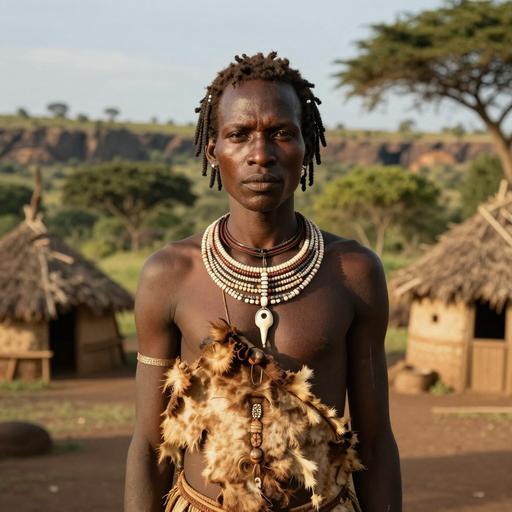
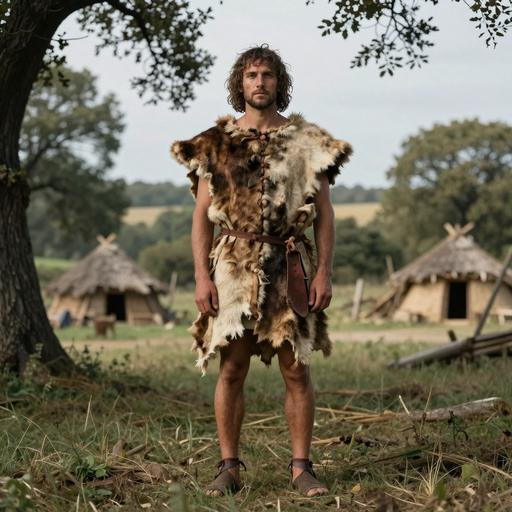
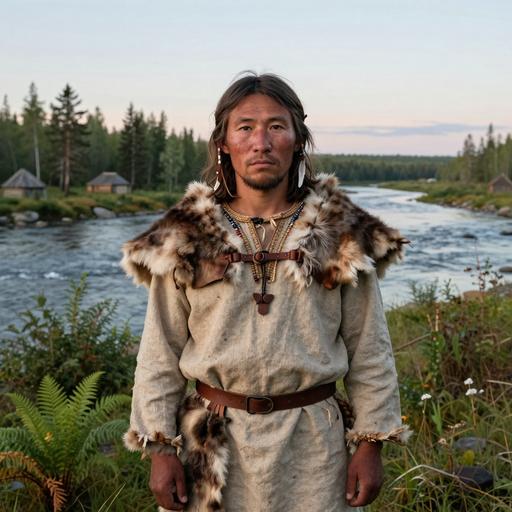
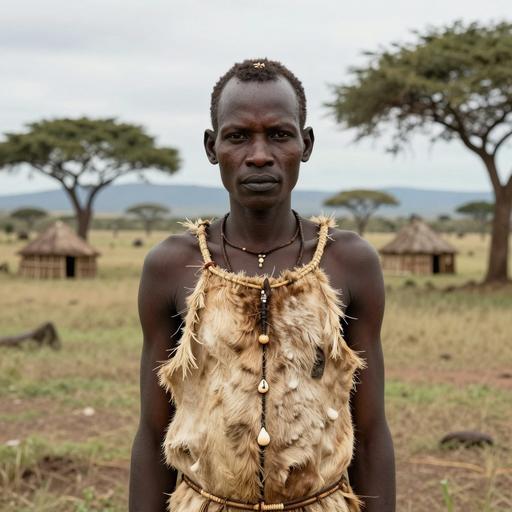
الصور الشخصية رسوم مولّدة بالذكاء الاصطناعي. تحدّد أسماء العينات ومعرّفات الإيداع السجلات المرجعية.

الصورة الشخصية العينة البلد الحقبة التاريخ الثقافة Y-DNA نوع التطابق
صورة توضيحية مولّدة بالذكاء الاصطناعي للعينة Bantu individual, Gishimangeda Cave, Tanzania (800-400 BCE)
معرّف العينة: I13983
Tanzania Prehistoric and Iron Age in Tanzania 800 BCE - 400 BCE Tanzania Multi-Period BT تطابق مباشر
صورة توضيحية مولّدة بالذكاء الاصطناعي للعينة Dominican Republic Ceramic individual, El Soco (southeast coast DR, San Pedro de Macorís, Ramón Santana, Playa Nueva Romana), Dominican Republic (850-1,450 CE)
معرّف العينة: I13200
Dominican Republic Dominican Ceramic Culture 850-1450 CE Dominican Ceramic BT تطابق مباشر
صورة توضيحية مولّدة بالذكاء الاصطناعي للعينة Norse individual, England. Oxford. St John's College Oxford, United Kingdom (880-1,000 CE)
معرّف العينة: VK164
United Kingdom England Viking 880 CE - 1000 CE Viking BT تطابق مباشر
صورة توضيحية مولّدة بالذكاء الاصطناعي للعينة Norse individual, Gnezdovo, Russia (900-1,100 CE)
معرّف العينة: VK222
Russia Russia Viking 900 CE - 1100 CE Viking Culture BT تطابق مباشر
صورة توضيحية مولّدة بالذكاء الاصطناعي للعينة Canaanite/Phoenician individual, Ashkelon, Israel (1,259-1,020 BCE)
معرّف العينة: ASH008
Israel Iron Age II Ashkelon, Israel 1259-1020 calBCE (2941±31 BP, MAMS-30688) Ashkelon Culture BT تطابق مباشر
صورة توضيحية مولّدة بالذكاء الاصطناعي للعينة Central European Bronze Age Cultures individual, Kleinaitingen - Gewerbegebiet Nord, Germany (2,011-1,773 BCE)
معرّف العينة: AITI_36
Germany Early Bronze Age Lech Valley, Germany 2011 BCE - 1773 BCE Lech Valley Bronze Age BT تطابق مباشر
صورة توضيحية مولّدة بالذكاء الاصطناعي للعينة Haunstetten Unterer Talweg5862 EBA individual, Haunstetten - Unterer Talweg 58-62, Germany (2,026-1,888 BCE)
معرّف العينة: UNTA58_149
Germany Early Bronze Age Lech Valley, Germany 2026-1888 calBCE (3597±24 BP, MAMS-18938) Lech Valley Bronze Age BT تطابق مباشر
صورة توضيحية مولّدة بالذكاء الاصطناعي للعينة Novosibirsk N individual, Vengerovo-2 (Novosibirsk Oblast, Vengerovsky District), Russia (4,438-4,251 BCE)
معرّف العينة: NEO916
Russia Ob River Culture of Northern Russia 4232-3987 calBCE (5269±30 BP, UBA-40127) Ob River Culture BT تطابق مباشر
صورة توضيحية مولّدة بالذكاء الاصطناعي للعينة Paleo-Siberian individual, Siberia. Lena river. Kachug, Russia (4,980-4,841 BCE)
معرّف العينة: KAG001
Russia Early Neolithic Lena River, Siberia, Russia 4980 BCE - 4841 BCE Lena River Culture BT تطابق مباشر
صورة توضيحية مولّدة بالذكاء الاصطناعي للعينة Yonne N individual, Gurgy Les Noisats (Bourgogne-Franche-Comté Region, Yonne Department, Auxerre arrondissement), France (5,300-3,900 BCE)
معرّف العينة: GLN314
France France N 5300-3900 BCE French Neolithic BT تطابق مباشر
أبوية · الحمض النووي القديم

خريطة الأدلة القديمة للسلالة

تتبّع الفروع الأصلية المؤدية إلى هذا الفرع واستكشف مواقع العثور على العينات القديمة المرتبطة به.

جارٍ تحميل السجلات القديمة…

تشير العلامات إلى مواقع الاكتشافات الأثرية. يشير الخط المتقطّع إلى انتقال جغرافي محتمل بين فرعين متتاليين تدعمه عدة سجلات مؤرّخة. لا يحدّد مسارًا دقيقًا أو مكان نشأة ولا يثبت انحدارًا مباشرًا. قد تنتمي عينات الفروع الأصلية إلى فروع متفرّعة أخرى. تبقى الفجوات حيث لا تكفي الأدلة. تختلف تواريخ العينات عن تواريخ نشأة المجموعات الفردانية.

الملف المرجعي

خريطة توزيع العينات

التوزيع الجغرافي لعينات الحمض النووي القديم المطابقة مباشرةً للمجموعة BT أو لفروعها الفرعية. عدد العينات: 29

عينة مطابقة مباشرةً عينة من فرع فرعي
التصفية حسب الفترة
جميع الفترات
تُعرض جميع العينات
الملف المرجعي

التوزيع الزمني

توزيع العينات عبر الفترات الأثرية

الملف المرجعي

التوزيع الجغرافي

عدد العينات حسب بلدها المسجّل. تعكس الأعداد العينات المرجعية المتاحة دون قياس تواتر المجموعات الفردانية بين السكان.

الملف المرجعي

توزيع العينات حسب البلد والحقبة

قارن أعداد العينات المسجّلة حسب البلدان والفترات الأثرية. اختر خلية تحتوي على نتائج للاطّلاع على إحدى العينات.

البيانات

البيانات ومصادرها

معلومات المصادر وجودة البيانات

آخر تحديث 2026-06-15
درجة الثقة 50/100
التغطية Low

مصدر البيانات

يعكس التصنيف والتواريخ التقديرية والسياق الجغرافي البيانات المرجعية المسجّلة، وقد تتغيّر مع مراجعة الأدلة. تختلف تغطية العينات، ولا تثبت المواقع المسجّلة والارتباطات الأثرية الأصول الشخصية أو الهوية الثقافية.